How Fast Does Mold Grow After Water Damage In Michigan Homes
Water damage is stressful on its own. What makes it worse is the fear of mold. Many homeowners in Michigan ask the same question after a leak or flood. How fast does mold actually grow after water damage?
The short answer is faster than most people expect. Under the right conditions, mold can start growing within twenty four to forty eight hours if materials stay wet. In a damp Michigan basement, that timeline can feel even shorter.
Understanding how mold forms and how to prevent it can save thousands in repairs and protect your home and belongings.
Why Mold Grows So Quickly After Water Damage
Mold needs three basic elements to grow. Moisture. Organic material. Oxygen.
After water damage, your home provides all three.
Drywall, wood framing, insulation, carpet padding, and even dust contain organic material that mold feeds on. Once these materials become damp, mold spores that are already present in the air begin multiplying rapidly.
In Michigan, humid summers, spring rain, and snowmelt can increase the risk. When indoor moisture levels stay elevated after flooding or a plumbing leak, mold growth accelerates. Without professional water damage restoration, moisture often remains trapped behind walls or under flooring where it continues feeding growth.
The First Twenty Four Hours After Water Damage
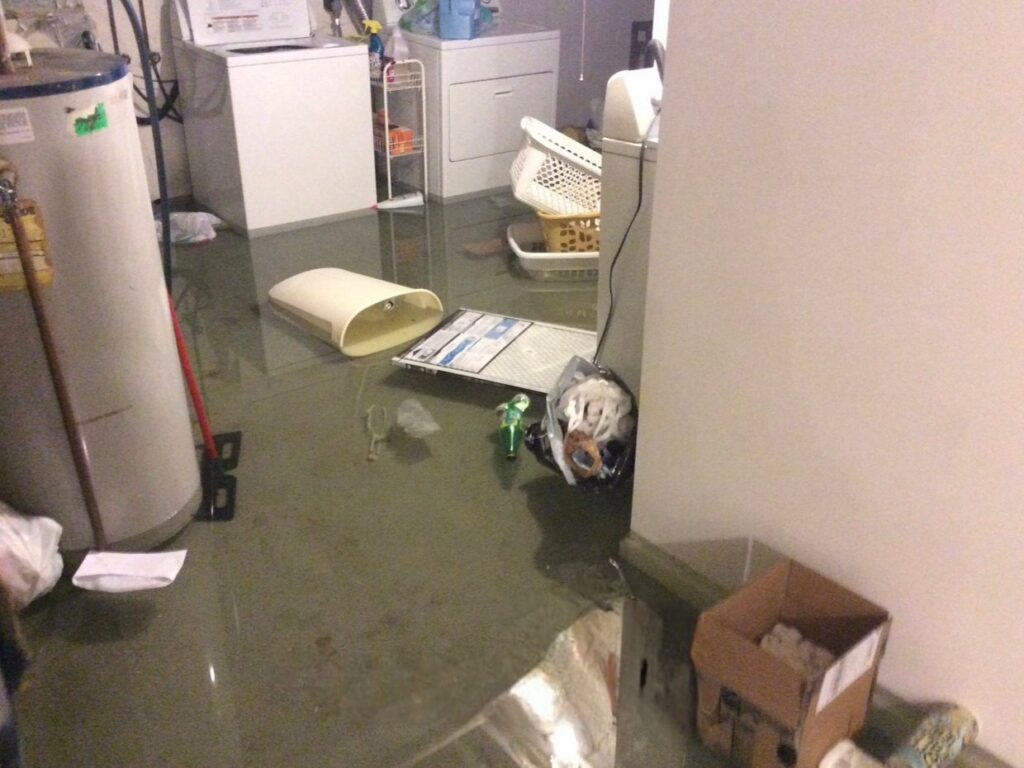
During the first few hours after water exposure, materials begin absorbing moisture. Drywall swells. Hardwood flooring starts to cup. Insulation becomes saturated.
Mold spores are microscopic and already present in most indoor environments. Once materials become damp, spores settle and begin colonizing wet surfaces.
You may not see visible mold immediately, but growth can begin forming at a microscopic level during this early stage.
This is why fast water extraction in Michigan homes is critical. The sooner moisture is removed, the lower the risk of mold development.
The Twenty Four To Forty Eight Hour Window
This is the danger zone.
Within one to two days of untreated water damage, mold colonies can begin forming on damp surfaces. Areas most at risk include:
Behind drywall
Under carpet and padding
Inside wall cavities
Beneath hardwood flooring
Inside finished basements
In Michigan homes, where spring storms, snowmelt, and frozen pipes are common, this window matters. If structural drying does not begin quickly, mold remediation may soon be necessary.
At this stage, mold may appear as small dark spots, discoloration, or fuzzy growth. A musty odor often develops as well.
Why Michigan Homes Face Higher Mold Risk
Michigan experiences humid summers, heavy spring rain, and snowmelt that soaks the soil around foundations. When water damage occurs in these conditions, indoor drying becomes more difficult.
Air that already holds moisture cannot absorb much more. This slows natural evaporation and allows damp building materials to remain wet longer.
Without professional dehumidification and structural drying, moisture lingers. Lingering moisture equals mold growth.
Homes with finished basements, crawl spaces, or poor ventilation face even greater risk after water damage in Michigan.
Hidden Moisture Is The Real Threat
One of the biggest mistakes homeowners make is assuming that once visible water is gone, the problem is solved.
Surface drying is not enough.
Water travels into subflooring, insulation, and wall cavities. Even when floors feel dry to the touch, moisture can remain trapped beneath the surface.
Professional water damage restoration in Michigan includes moisture meters that identify hidden damp areas. Mapping and monitoring moisture helps confirm complete structural drying.
If hidden moisture remains, mold can continue developing long after the initial water event.
Signs Mold Is Already Developing After Water Damage
If water damage was not addressed quickly, watch for these warning signs:
Musty odors
Discoloration on walls or ceilings
Peeling paint or bubbling drywall
Warped flooring
Damp or stained basement walls
If you notice these signs in your Michigan home after flooding or a plumbing leak, it may be time to schedule mold remediation with Disaster MD.
How To Prevent Mold After Water Damage In Michigan
Prevention depends on speed and thorough drying.
Here are the key steps:
Immediate water extraction
Removal of saturated materials when necessary
Professional structural drying
Commercial dehumidification
Moisture monitoring
Acting within the first twenty four hours greatly reduces the likelihood of mold growth.
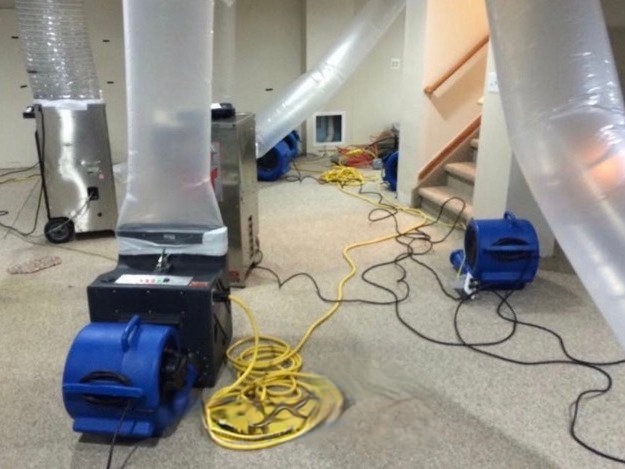
Attempting to dry a property with household fans alone is rarely sufficient. Professional equipment is designed to control humidity levels and remove moisture from deep within building materials.
The Cost Of Delaying Water Damage Restoration
Waiting too long can turn a simple water cleanup into a complex mold remediation project.
Mold remediation means fixing the moisture source, containment, removing porous materials that cannot be cleaned, and drying. This adds time and cost.
In Michigan, prompt water damage restoration protects your property value and prevents secondary damage.
The cost of immediate structural drying is almost always lower than the cost of mold remediation and reconstruction.
Why Professional Water Damage Restoration Matters
Water damage restoration is not just about removing visible water. It is about returning the structure to proper moisture levels.
Professional restoration teams:
Measure moisture content
Set up air movers and dehumidifiers
Monitor humidity daily
Adjust equipment as needed
Confirm and document complete drying
This documented process helps stop mold before it begins.
In Michigan homes, where damp basements and humid summers can work against you, professional help is often the difference between a smooth recovery and a long term mold problem.
Final Thoughts On Mold Growth After Water Damage In Michigan Homes
Mold can start growing within twenty four to forty eight hours if materials stay wet. In a damp Michigan basement, that timeline can be even more aggressive.
The key to prevention is fast action and professional structural drying.
If your home has water damage from frozen pipes, appliance leaks, roof damage, or spring flooding, do not wait to see if mold appears. Call Disaster MD 24/7 at (833) 846-6445. Fast restoration reduces risk and keeps repair costs under control.
When it comes to mold growth after water damage in Michigan homes, speed is everything.